At what temperature do pipes burst during a cold NSW winter?
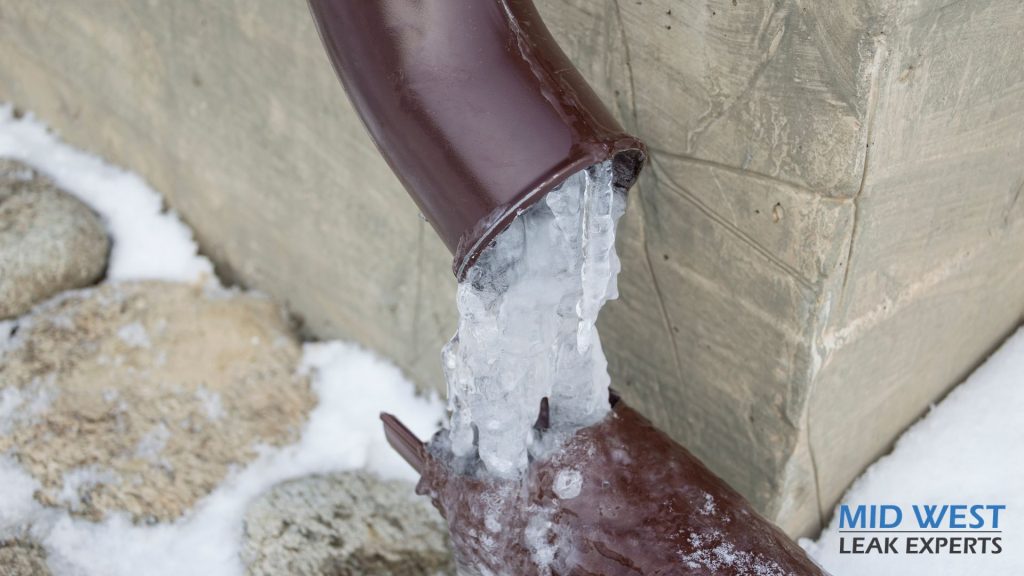
The question of at what temperature do pipes burst is critical for every property owner in Central West NSW. While water freezes at 0°C, pipes don’t instantly burst at this temperature. The real danger begins when the temperature drops below freezing and stays there for several hours. Sustained temperatures of -6°C or lower significantly increase the risk of a pipe freezing and bursting. This is a common concern in areas like Orange, Bathurst, and Lithgow during the coldest parts of winter. The process isn’t instantaneous. It depends on the pipe’s location, its material, and whether it is insulated. An uninsulated pipe on an exterior wall is far more vulnerable than a pipe located deep within your home’s interior walls.
Understanding this pipe freezing temperature is the first step in protecting your property from catastrophic water damage. A sudden NSW winter pipe burst can lead to thousands of dollars in repairs, structural damage, and mould growth. At Mid West Leak Experts, we specialise in preventing and repairing these exact issues. We provide peace of mind when the cold sets in. If you suspect a problem, it is crucial to act fast. Call Us at 0422-125-707 for immediate assistance with any potential leaks or burst pipes.
Understanding The Science Behind A Pipe Burst
Many people believe that a pipe bursts because the ice expands outwards, splitting the pipe at the point of the freeze. However, the science is slightly different and understanding it helps explain why the damage can be so severe. The real issue is the immense pressure build-up that occurs inside the pipe. This pressure is what causes the pipe to fail, often in a section that doesn’t even contain ice. It is a powerful force that common plumbing materials cannot withstand.
The Critical Freezing Point Of Water Pipes
The freezing point of water pipes is technically 0°C. At this temperature, water molecules begin to crystallise and form ice. However, for a pipe to be at risk, the ambient air temperature around it must be significantly and consistently below freezing. This is because it takes time for the cold air to remove enough heat from the water inside the pipe to cause it to freeze solid. A brief dip to -1°C might not be enough to freeze a well-protected pipe. But a prolonged period at -5°C or -6°C, especially overnight, creates the perfect conditions for a dangerous freeze. The water closest to the pipe wall freezes first, and the ice expands inwards. This is where the problem truly begins, trapping the remaining unfrozen water.

Why Expansion Is The Real Culprit
As water turns to ice, it expands by about 9 percent. This initial expansion puts some stress on the pipe, but it’s not the primary cause of the burst. The real danger comes from the unfrozen water trapped between the ice blockage and a closed tap. As more ice forms, it pushes the remaining water towards the closed end, creating a massive spike in water pressure.
This pressure can exceed 2,000 PSI, which is far more than any residential pipe is designed to handle. The pipe doesn’t burst where the ice is. It bursts at its weakest point between the ice blockage and the tap, where the pressure is highest. This is why you might find a burst pipe in a wall cavity far from the initial freeze point. This immense pressure is what leads to a catastrophic NSW winter pipe burst, releasing a huge volume of water into your property.
Are Your Central West NSW Pipes At Risk?
Not all pipes are created equal, and some are far more susceptible to freezing than others. In regions like Mudgee, Cowra, and Parkes, where winter temperatures can plummet, identifying these high-risk areas is crucial for prevention. The location of the pipe is often the single most important factor in determining its vulnerability to the cold. Proactive inspection and protection of these areas can save you from the stress and expense of a major water leak. Knowing your home’s plumbing layout is a significant advantage in preparing for the winter chill.
Identifying High-Risk Areas In Your Home
Certain parts of your property are natural cold spots where pipes are more exposed to freezing temperatures. Taking the time to check these areas before a cold snap can make all the difference. Being aware of these vulnerabilities allows you to take targeted action to prevent frozen pipes NSW. Common high-risk locations include:
- Pipes located in uninsulated or poorly insulated wall cavities, especially those on the exterior of your home.
- Water supply lines in unheated areas such as basements, crawl spaces, attics, or garages.
- Pipes that run along outside walls, particularly on the south-facing side of the property which receives less sun.
- Outdoor plumbing, including taps, hoses, and pipes for swimming pools or sprinkler systems.
- Pipes in kitchens or bathrooms where cabinets can block the flow of warm air, creating cold pockets against an outside wall.
Types Of Pipes Most Vulnerable To Freezing
The material of your pipes also plays a role in how they respond to freezing conditions. While no pipe is completely immune to bursting under extreme pressure, some are more prone to failure than others. Older homes in Forbes and the surrounding Central West region may have a mix of different pipe materials, each with its own level of risk. The most vulnerable types are typically metal pipes, which are rigid and have very little flexibility to accommodate the pressure increase.
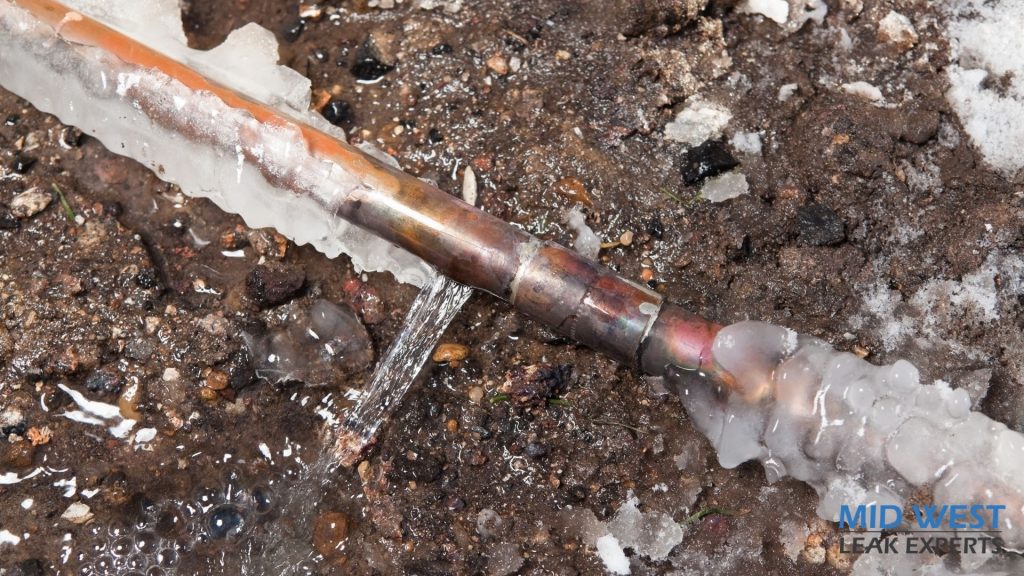
Copper pipes are very common and are highly susceptible to splitting when frozen. Galvanised steel pipes are also at high risk. While modern PEX (cross-linked polyethylene) pipes have more flexibility and can expand slightly, they can still burst under the extreme pressure created by a solid ice blockage. It is vital to know what kind of pipes you have and where they are most exposed.
How To Prevent Frozen Pipes In NSW This Winter
Prevention is always the best strategy when it comes to protecting your property from a burst pipe. A few simple, proactive steps can dramatically reduce your risk and save you from costly and disruptive water damage. Taking these precautions before the first major cold front arrives is a wise investment of your time. These measures are designed to either keep the water in your pipes from reaching the pipe freezing temperature or to relieve the pressure that causes a burst.
Key Preventative Measures For Homeowners
Implementing a multi-layered approach is the most effective way to safeguard your plumbing system. These tips are easy for any homeowner to follow and are highly effective. For more detailed advice tailored to your property, you can always Enquire Now with our team at Mid West Leak Experts. Here are some essential steps to take:
- Insulate Exposed Pipes: This is the most important step. Use pipe sleeves or heat tape to insulate pipes in high-risk areas like garages, crawl spaces, and attics. The more insulation, the better.
- Seal Air Leaks: Use caulk or insulation to seal any cracks or holes in your walls or foundation near water pipes. This stops cold air from blowing directly onto your plumbing.
- Let Taps Drip: During extreme cold snaps, allowing a tap furthest from your water main to drip slowly can prevent a burst. The moving water is harder to freeze, and the open tap relieves pressure in the system.
- Open Cabinet Doors: For pipes under sinks in kitchens and bathrooms, keeping the cabinet doors open allows warmer air from the room to circulate around the pipes.
- Disconnect Outdoor Hoses: Always disconnect, drain, and store outdoor hoses before the first frost. Ensure outdoor taps are shut off and drained if you have a separate shut-off valve for them.
- Maintain A Consistent Temperature: If you are going away during winter, do not turn your heating completely off. Set it to a low but consistent temperature (e.g., 12-14°C) to keep the ambient temperature inside your home above freezing.
Recognising The Warning Signs Of A Frozen Pipe
Before a pipe bursts, it often gives off warning signs that it is frozen or in the process of freezing. Being able to recognise these signs allows you to take immediate action to thaw the pipe safely or call a professional before a catastrophe occurs. Paying close attention to your plumbing’s behaviour during cold weather is essential. If you notice any of these indicators, do not ignore them. Acting quickly can be the difference between a simple fix and a major flood.
Early Indicators Of A Freezing Problem
A frozen pipe restricts the flow of water, and this is often the first and most obvious sign of a problem. If you turn on a tap and only a trickle of water comes out, or no water at all, a freeze is the likely culprit, especially on a cold morning. According to the NSW State Emergency Service, acting on these early signs is crucial for preventing further damage. Here are the key warning signs to look for:
- Reduced Water Flow: A sudden and significant drop in water pressure or flow from a specific tap is the most common indicator.
- Frost On The Pipe: For any pipes that are visible, such as under a sink or in a basement, look for a layer of frost or condensation. This is a clear sign the pipe is dangerously cold.
- Strange Smells: An unusual odour coming from a drain or tap can sometimes indicate a blockage in the line, which in winter could be ice.
- Bulging Pipes: In some cases, you may be able to see a section of the pipe that is bulging or looks swollen. This is a sign of extreme pressure and that a burst is imminent.
What To Do When You Have A NSW Winter Pipe Burst
Discovering a burst pipe is a stressful and overwhelming experience. Water can cause immense damage to your floors, walls, furniture, and electrical systems in a very short amount of time. However, by taking a few immediate and decisive actions, you can significantly minimise the damage while you wait for professional help to arrive. The key is to act quickly and safely. Your first priority is to stop the flow of water as soon as possible.
Immediate Steps To Minimise Damage
If a pipe bursts, do not panic. Follow these steps methodically to control the situation. First, shut off the main water supply to your property. The main shut-off valve is usually located at the front of your property near the water meter. Turning this off will stop more water from flooding your home. If the burst pipe is near any electrical outlets or appliances, turn off the electricity at the main circuit breaker to prevent the risk of electrocution. Once the water and power are off, begin removing as much water as you can using buckets, mops, and towels. If you have a significant amount of water, move any valuable or sensitive items to a dry area. Finally, Call Us at 0422-125-707. Our emergency team is available 24/7 to respond to crises like this across the Central West.

Why You Need An Expert For The Repair
A burst pipe is not a simple DIY fix. The visible break may only be part of the problem. There could be other weak points in the system, and a professional plumber is needed to assess the entire situation. An expert from Mid West Leak Experts will not only repair the broken section of pipe but will also investigate why it burst in the first place. We can identify other vulnerable areas, recommend insulation or rerouting solutions, and ensure the repair is durable and up to code. Attempting a temporary fix can lead to a future failure, often causing even more damage. Trusting a professional ensures the job is done right the first time, protecting your property and giving you lasting peace of mind.
Our Advanced Technology Finds Hidden Leaks Fast
When a pipe bursts inside a wall or under a floor, finding the exact location of the leak without causing massive destruction is a major challenge. This is where Mid West Leak Experts excels. We have invested in cutting-edge, non-invasive leak detection technology that sets us apart from traditional plumbers. Our goal is to find the source of the problem with surgical precision, saving you from the unnecessary cost and mess of exploratory demolition. This technology allows us to work faster and more accurately, protecting your property from further damage.
Non-Invasive Leak Detection Solutions
We use a range of sophisticated tools to pinpoint the source of a leak. Our primary method involves the use of highly sensitive acoustic sensors and ground microphones. These devices can literally hear the sound of water escaping from a pressurised pipe, even deep underground or behind thick concrete. Our technicians are highly trained to interpret these sounds to determine the leak’s precise location. For other situations, we may use thermal imaging cameras to detect temperature differences caused by water saturating wall cavities or insulation. This combination of advanced technology means we don’t have to guess. We find the exact spot, allowing for a targeted repair that minimises disruption to your home or business. If you suspect a hidden leak, don’t wait for the damage to become visible. Enquire Now for a non-invasive inspection.
Protect Your Property With Mid West Leak Experts
Winter in Central West NSW brings its own unique challenges for property owners. The risk of a NSW winter pipe burst is real, but it is also manageable with the right knowledge and professional support. From understanding the critical pipe freezing temperature to implementing effective preventative measures, you can take control and protect your home or business. Remember the warning signs of a frozen pipe and know what to do in an emergency. For everything else, Mid West Leak Experts is here to help. We are your local specialists in advanced leak detection and plumbing repairs, serving Orange, Bathurst, Mudgee, and the entire region.
Our expertise and technology ensure we solve your problem quickly and effectively. Don’t let a burst pipe ruin your winter. For emergency service or to discuss preventative solutions, Call Us at 0422-125-707 today. For all other enquiries, please feel free to Enquire Now through our website for a prompt and professional response.